

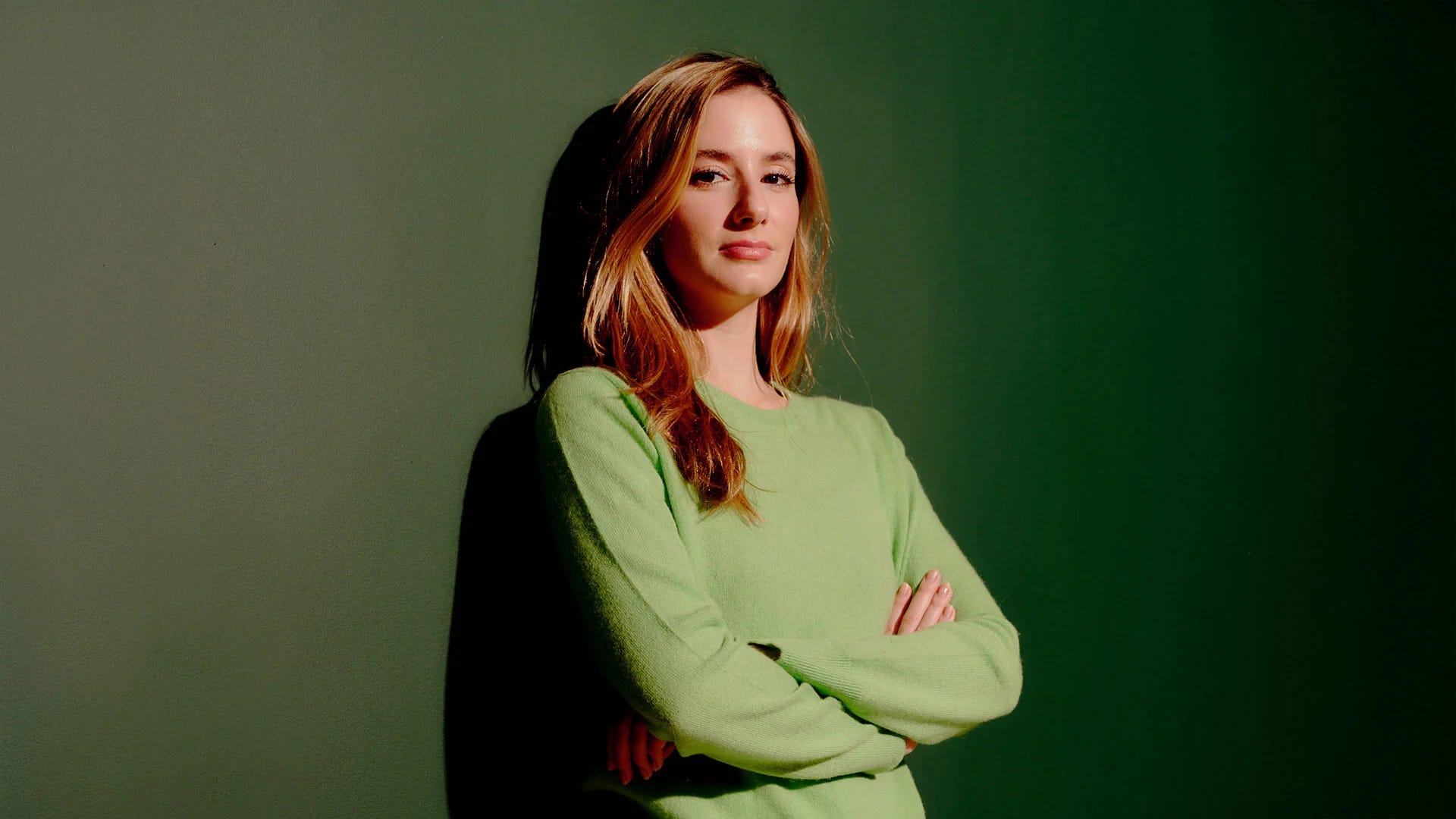
Nearly half of America’s billion-dollar startups were founded by people born outside the US. Sidedoors documents them one by one, and what makes each of them great.
This profile is built from conversations with early employees, investors, and board members of Kalshi, every recorded interview Luana has given, and the CFTC’s own paper trail. It will tell you:
Why twenty-five people with Citadel résumés stayed at Kalshi through two public failures, layoffs, and no revenue in sight.
Luana’s answer to legal battles in nineteen states, cease-and-desist across a dozen states, and criminal wagering charges.
The cost of being the most optimistic person in the building, as told by her co-founder who spent years arguing with her about it and then stopped.
It’s September 2024, and we’re in Kalshi’s office in SoHo, New York.
Ali Partovi, one of Kalshi’s earliest investors (his fund Neo also backed Cursor and Ramp), happens to be there to see Luana Lopes Lara. It’s a terrible day for a meeting. A federal court in D.C. is about to rule on KalshiEx v. CFTC, the lawsuit Kalshi filed against its own regulator. Lose, and the CFTC gets a permanent veto over anything Kalshi ever wants to launch. Lose, and the company dies (at least according to its investors).
The ruling could drop any minute and, for a full hour, Luana never checks her phone. She is, Partovi says, “cool as a cucumber.”
Down the hall, her co-founder Tarek Mansour picks up a call from their litigator and his hands start to shake. They won. The room erupts. Employees jubilate. Chairs fly. Twenty minutes later, everyone is back at work.
Let’s unpack what just happened. A tiny 25-person startup with roughly $20M in monthly trading volume sues the federal agency that holds its license. The same agency that had spent two years blocking Kalshi’s most important product: election markets. Alfred Lin, who led Sequoia’s investment and sits on the board, told the founders that even if they won one day, they would die getting there.
Tarek, a self-described paranoid risk manager, tried to call the whole thing off the night before they filed. Luana’s response: “Are you fucking kidding me?”
She convinced the team to stick to the plan. The win meant that it was the first time in a century Americans could legally trade on their own elections. Tarek has never been vague about whose win it was: “If it were up to me and Alfred, we probably wouldn’t have sued, to be honest. She’s the one who wanted to sue.”
Two months later, on election night, Kalshi’s market called the Trump election while the polls still had the race tied. A million new customers arrived in a fortnight. The company 100x’d overnight on a team of about 25. Twenty months later, Kalshi was worth $22B and Forbes had named Luana the youngest self-made woman billionaire in the world. She was 29.
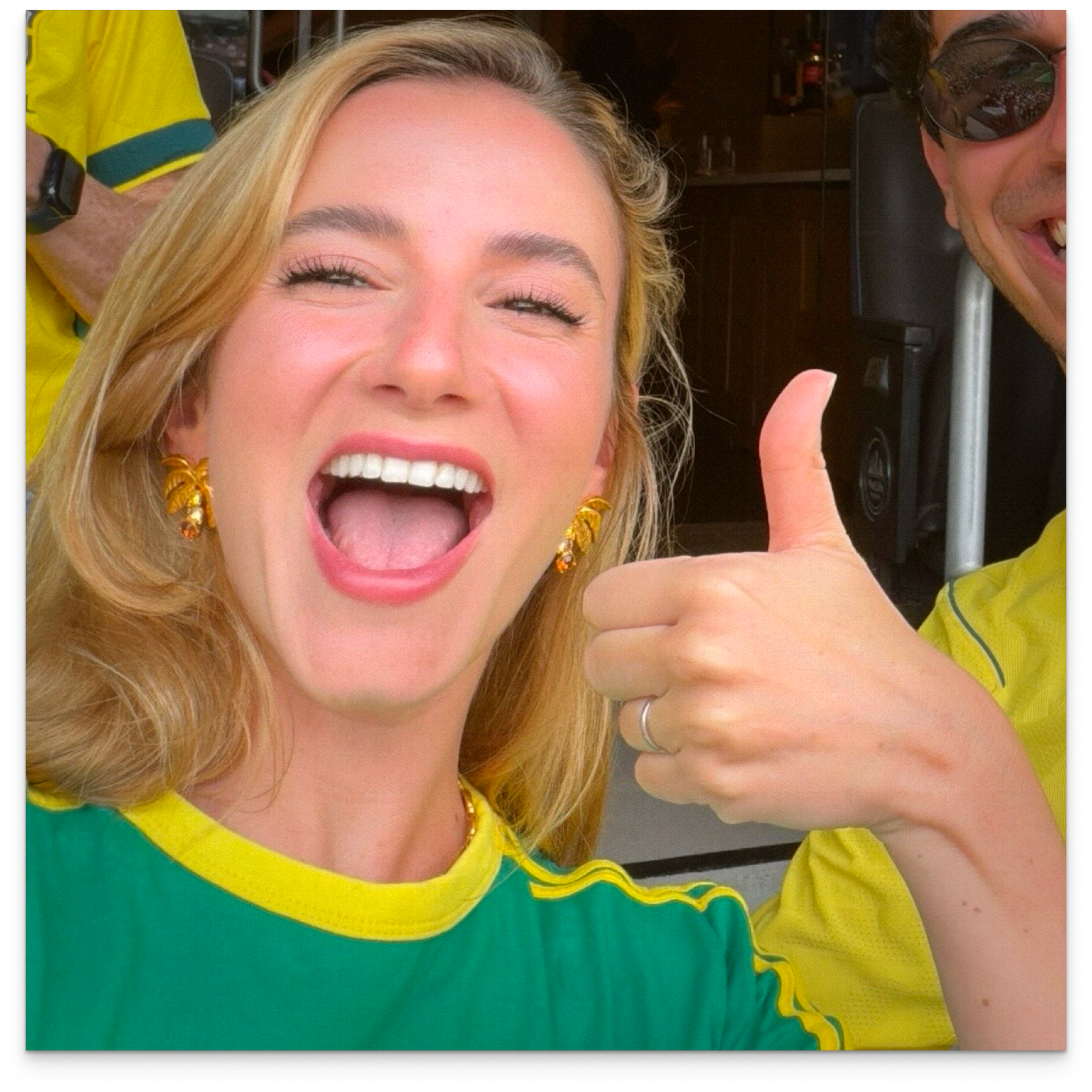
I’d bet money on what you’re picturing: someone hard. You’d lose the bet. The people who work for her describe “a ball of sunshine”.
Relentlessly optimistic, soft-spoken, warm, smiley, “the heartbeat of Kalshi”. These are the same people who watched her spend years chewing glass and staring into the abyss, without once slowing down. Her investors say the same thing. “What is striking about Luana is her unshakeable optimism that everything will work out, which I think is underrated for any entrepreneur starting out” says Matt Huang, who led the $1B Series E out of Paradigm and sits on Kalshi’s board.
Kalshi, quickly
Founded: idea born 2017-18 at MIT and during finance internships; Y Combinator Winter 2019 batch; Kalshi spent its YC batch reporting “regulatory traction” while everyone else in the batch (Deel included) reported user growth. Public launch July 2021. Kalshi means “everything” in Arabic; they picked the name in a 30-second Messenger exchange, partly because the domain was cheap.
The moat: the first federally regulated US prediction market, and for four years the only one, in a category that had been an academic dream for 30 years (the only legal alternative was a nonprofit with an $850 bet cap). CFTC designation granted on November 3, 2020 after two years of filings. Polymarket only got a US license in 2025, by buying a company that had one.
The inflection: beat the CFTC in court in September 2024 and opened election markets. Roughly half a billion traded on the presidential race, 2M new customers in two weeks. Launched sports in all 50 states in January 2025 on one federal license, while DraftKings and FanDuel (the big US sports-betting apps) pay state gaming taxes of up to 33%.
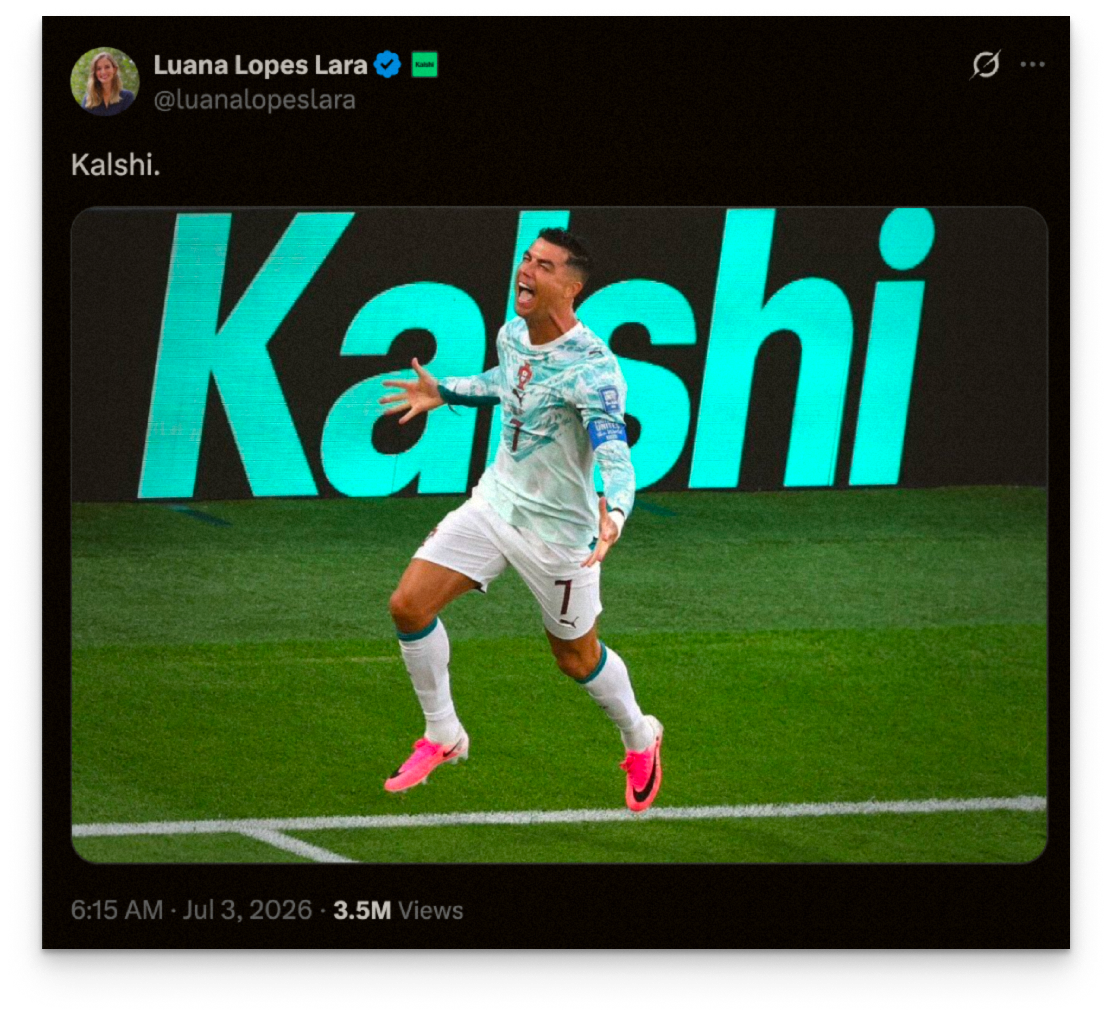
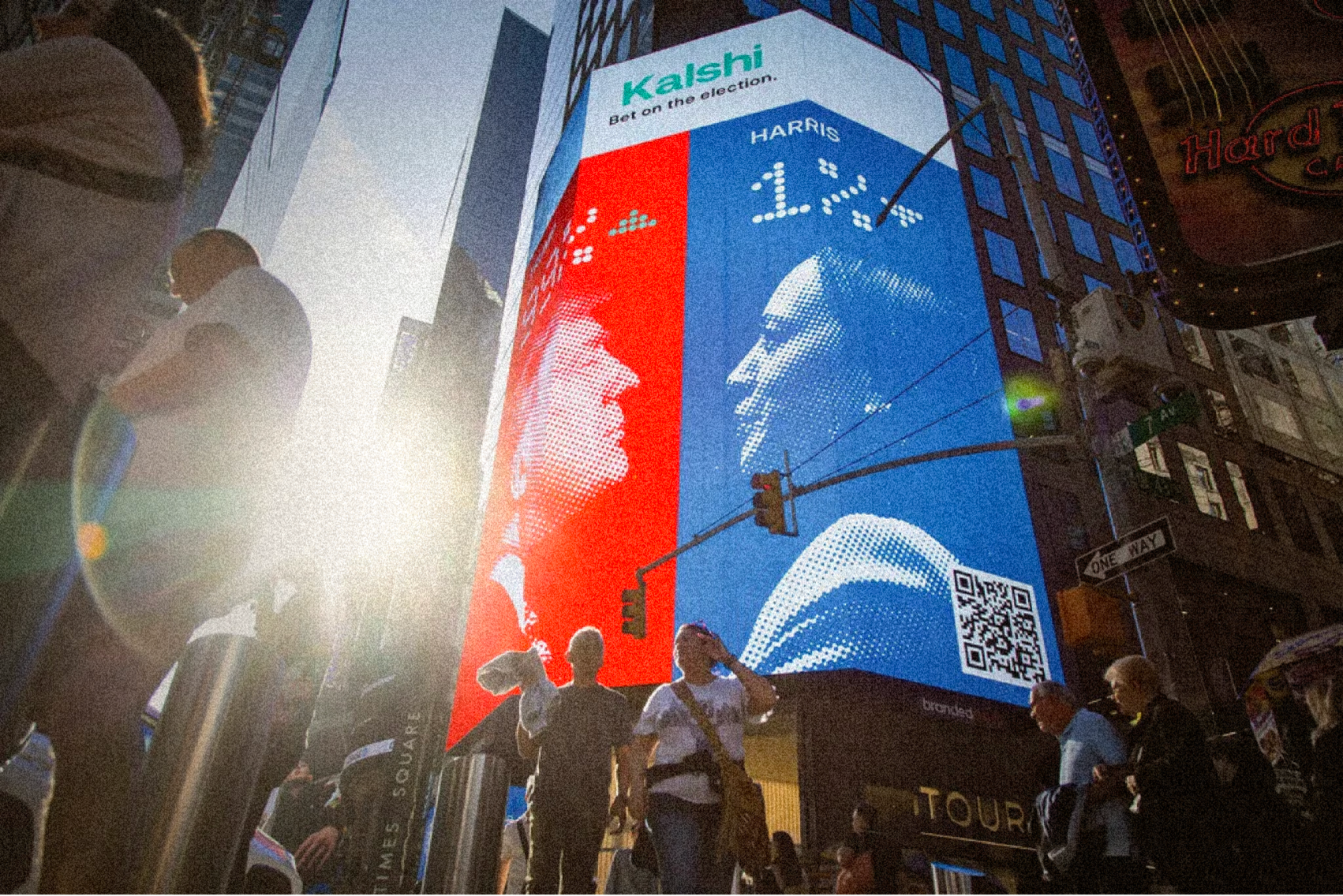
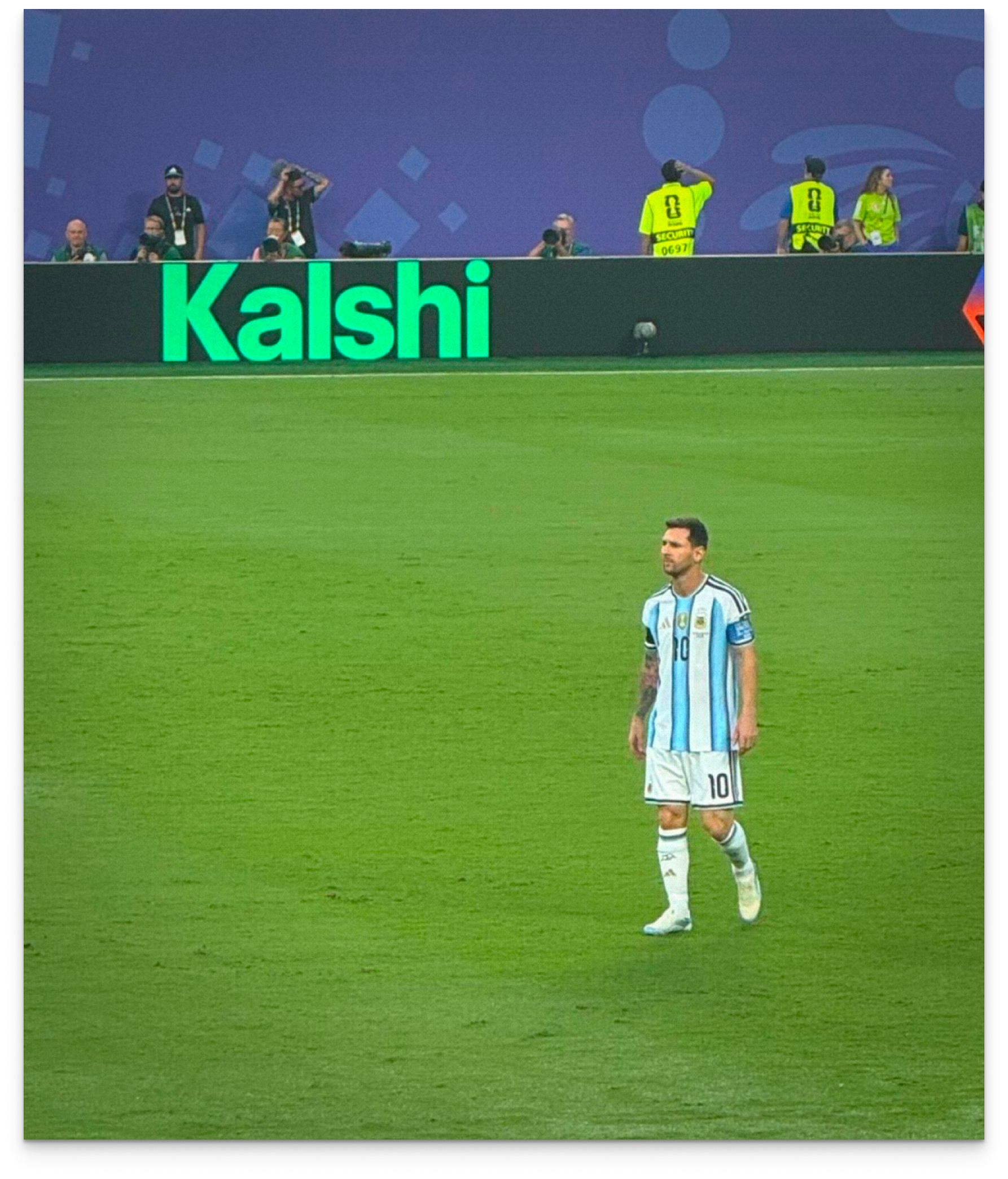
Today (September 2026): roughly breakeven at enormous scale, over $4B annual revenue, $400B in annualized trading volume, more than 8x in a year. By growth rate, arguably the fastest-growing company in the world outside AI, run by roughly 170 people, of whom about 130 report directly to the two founders. Luana, COO, runs everything internal. Tarek, CEO, runs the outside world. Lately, Kalshi’s marketing has been serving pure genius: a Messi campaign timed to land two days before his first match of the last World Cup he will play, a Timothée Chalamet spot shipped the week the internet crowned him, live odds piped onto Times Square billboards. Kalshi becaome the exclusive prediction market partner of the US Open in August 2026. The federally regulated derivatives exchange behaves, in public, like a culture brand.
The believers: Michael Seibel of Y Combinator took the first bet. Justin Mateen, co-founder of Tinder, invested at seed after a five-minute phone call (March 2019). Kevin Carter of Night Capital backed the team early. Ali Partovi led the Seed round for Neo in early 2020. Alfred Lin, who made his name on paradigm-shifting bets like Airbnb, led the $30M Series A for Sequoia in 2021. The angel investor list reads like a history of American finance: Charles Schwab, Henry Kravis, Ron Conway. From 2025 onwards, the company raised four rounds in about a year, valuation roughly doubling each time ($2B → $5B → $11B → $22B and reportedly raising at $40B today). Matt Huang’s Paradigm led twice (the $2B round in June 2025 and again the $11B round that December). Huang has sat on the board since, and called prediction markets “a new asset class on a path to trillions” the week Kalshi was worth $2B.
Kalshi vs Polymarket: Polymarket launched fast and offshore, ate a $1.4M CFTC fine, blocked US users, and became the brand the world’s media quotes. Kalshi took the hard path: years of legal battle, and now a claimed 95% US market share. The rivalry is undecided: ICE, owner of the New York Stock Exchange, committed up to $2B to Polymarket. Luana: “It might sound cocky, but we’re now six to 12 months ahead of everyone, including Polymarket.”
1.
Roll the dice on Luana Lopes Lara’s life a hundred times, and in ninety-nine of them she is a very rich, very anonymous quant trader.
Luana grew up in Minas Gerais, Brazil, about as far from the San Francisco ecosystem as it is gets. At MIT she took two entrepreneurship classes and enjoyed neither. She wanted to do math, and she aimed herself squarely at the prestige track of finance: Bridgewater, Five Rings and Citadel Securities. Her co-founder Tarek did the same: Goldman, then Citadel.
That’s where “the idea for Kalshi found them”. They had both watched the same thing happen from different desks. In 2016, Tarek sat at Goldman while clients tried to work out how to trade Brexit. There was no instrument for that, so they bought expensive structured products over the counter, or built clumsy proxies out of stocks and options and hoped the correlation held. It usually didn’t; you could be right about the referendum and still lose money on the trade.
Then at Five Rings in the summer of 2018, Luana and the other interns played a game called ‘market maker’: someone quotes a probability on anything at all, everyone else tightens the spread or trades against it. I think this is what the finance interns call “fun”. One afternoon, Luana took a large position on some Trump-related outcome (Luana likes her positions large), the whole floor argued against her, and she was right. Walking home that evening she could not shake the question. Every firm played this game in disguise. Why was there nowhere to play it for real?
They stayed up all night talking about it, then sat on it for six months, then flew to a Y Combinator hackathon in Mountain View two weeks past the application deadline. They had emailed the organizers an excuse and been let in anyway. They landed from the East Coast with a janky stablecoin mock-up and walked into a room of 250 hackers. Luana still remembers what the guy they pitched said first. “The first thing he said was, that’s illegal.”
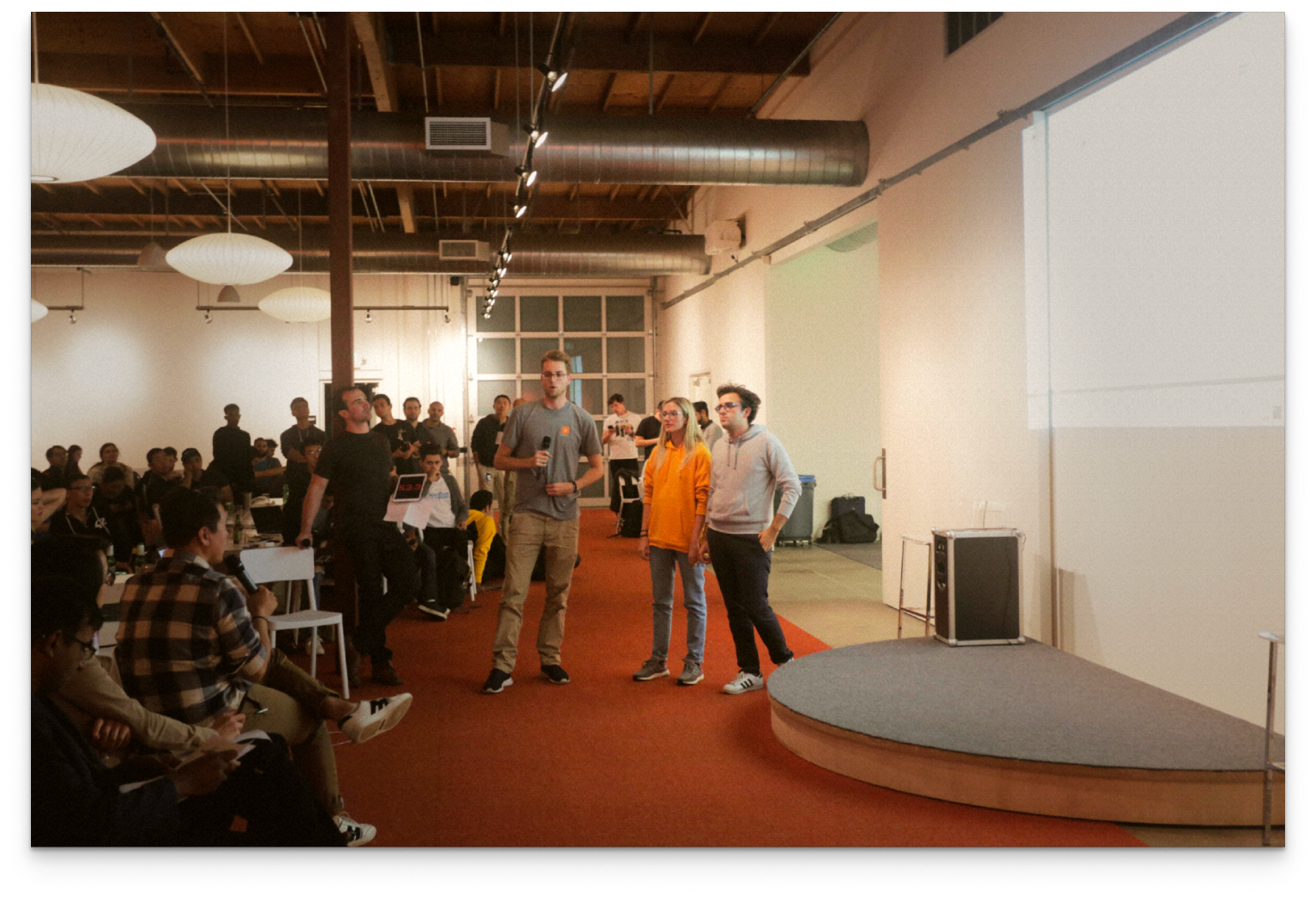
That ‘guy’ was Michael Seibel, and they came third in the hackathon, winning office hours with him. Seibel’s own verdict on taking them: “This sounds crazy, but these two MIT kids are really driven. Let’s give them a shot.” From there, our duo started taking their own company seriously.
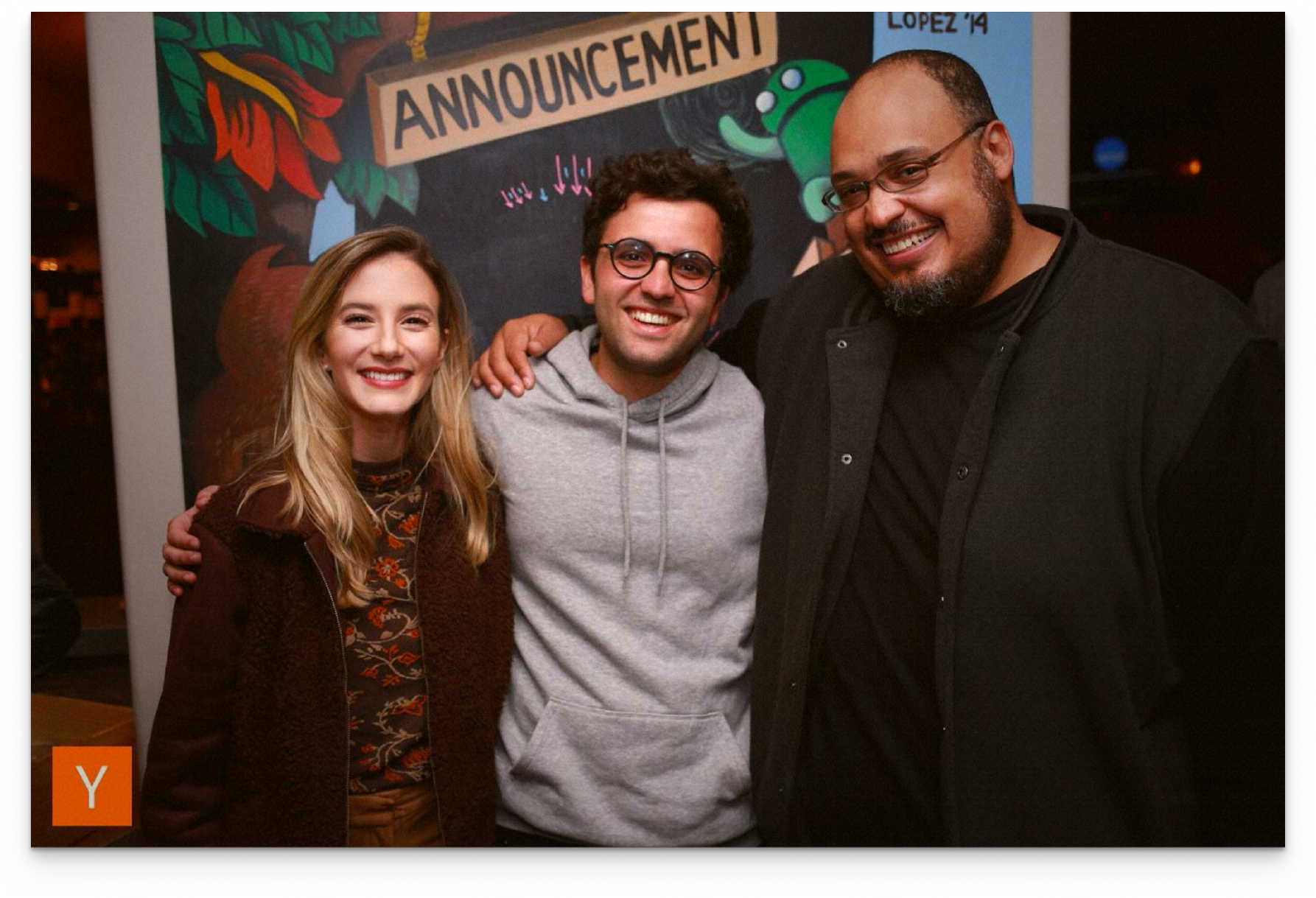
When the founders incorporated, they settled the org chart in one conversation: Tarek CEO, Luana CTO. Partly because she preferred product and engineering to sales. Partly for a much less glamorous reason: the US-born Tarek could employ the foreign-born Luana. The founding structure of a future $22B company was, among other things, a visa workaround. (Immigration law: quietly one of the most consequential corporate governance frameworks in Silicon Valley.)
They entered YC W19 and proceeded to have the least YC experience in YC history. The entire methodology (launch fast, talk to users, grow weekly) was unavailable to them, because their product was illegal until a federal agency said otherwise. While their batchmates shipped, Kalshi appeared to stand perfectly still.
So they went looking for a lawyer. They built a spreadsheet of sixty-five securities and derivatives attorneys and called them, by some accounts all in a single day. Every one said a version of the same thing. “People have been trying this since the 1980s.” “The CFTC will never allow it.” “It cannot be done.”
Nobody said why.
The no’s were unanimous and they were unreasoned. It could be manipulated, said some. Manipulation is a solved problem, said Tarek, we solved it for equities. It’s gambling, said others. “Then why is a grain future not gambling?” Nobody could say. To sixty-five professionals this was a closed question.
To Luana it was a mis-priced asset with no one bidding.
The first piece of encouraging news for Kalshi came on January 29, 2019, when Luana and Tarek met Jeff Bandman, a former senior CFTC official. After the 65th lawyer said no, the path to the one man who said maybe ran, in Bandman’s own telling, through “absurd degrees of separation: Luana knew a lawyer, who had a cousin, whose spouse knew a regulator, who worked for a judge, whose college roommate knew a lawyer I had worked with.”
He spent their first meeting, a Thursday, trying to frighten them off. There was no guarantee it would work. The result would not look like the vision. To be designated a contract market they would have to satisfy twenty-three Core Principles, aka the government’s checklist for “can this exchange be trusted with people’s money”. Can your prices be manipulated? How would you catch a cheater? Is customer money safe if the company goes under? Are your contract rules precise enough that every trade settles without a fight?
Little did Luana know that half of her working hours for the next decade would go to regulation.
Four days later, a weekend among them, Bandman opened his inbox and found a twenty-page memorandum on how Kalshi could satisfy every core principle of the Commodity Exchange Act. As a kind reminder to the reader, this was years before ChatGPT launched. “For kids, they were oddly enamored with derivatives law.”
“This is something a highly experienced lawyer would produce. White shoe law firms with tons of staff would take months to run an analysis like this.”
Jeff Bandman, Founder and Principal of Bandman Advisors and now CEO at Kalshi Prime
At the W19 YC Demo Day, Justin Mateen, co-founder of Tinder, watched 175 companies pitch and wrote exactly two personal checks. One went to Deel. The other went to Kalshi, at a $10M post-money valuation, after a five-minute phone call. He has since called it lightning striking twice. What sold him was a pairing he almost never sees: two founders who were obviously brilliant, and obviously naive, in the specific way that only brilliant people can afford to be. He tried to take as much of that round as he could.


What followed was maybe the least sexy zero-to-one in modern startup history: a two-year regulatory email thread. The CFTC sent Kalshi twenty concerns. Kalshi answered each with data and legal argument. The agency came back convinced on three and with follow-up questions on the other seventeen. Then it happened again. Luana has a name for this phase and it deserves to enter startup language. "It's a regulatory-market fit, in a way." Instead of iterating on a product until users say yes you iterate on proof until the agency runs out of objections.
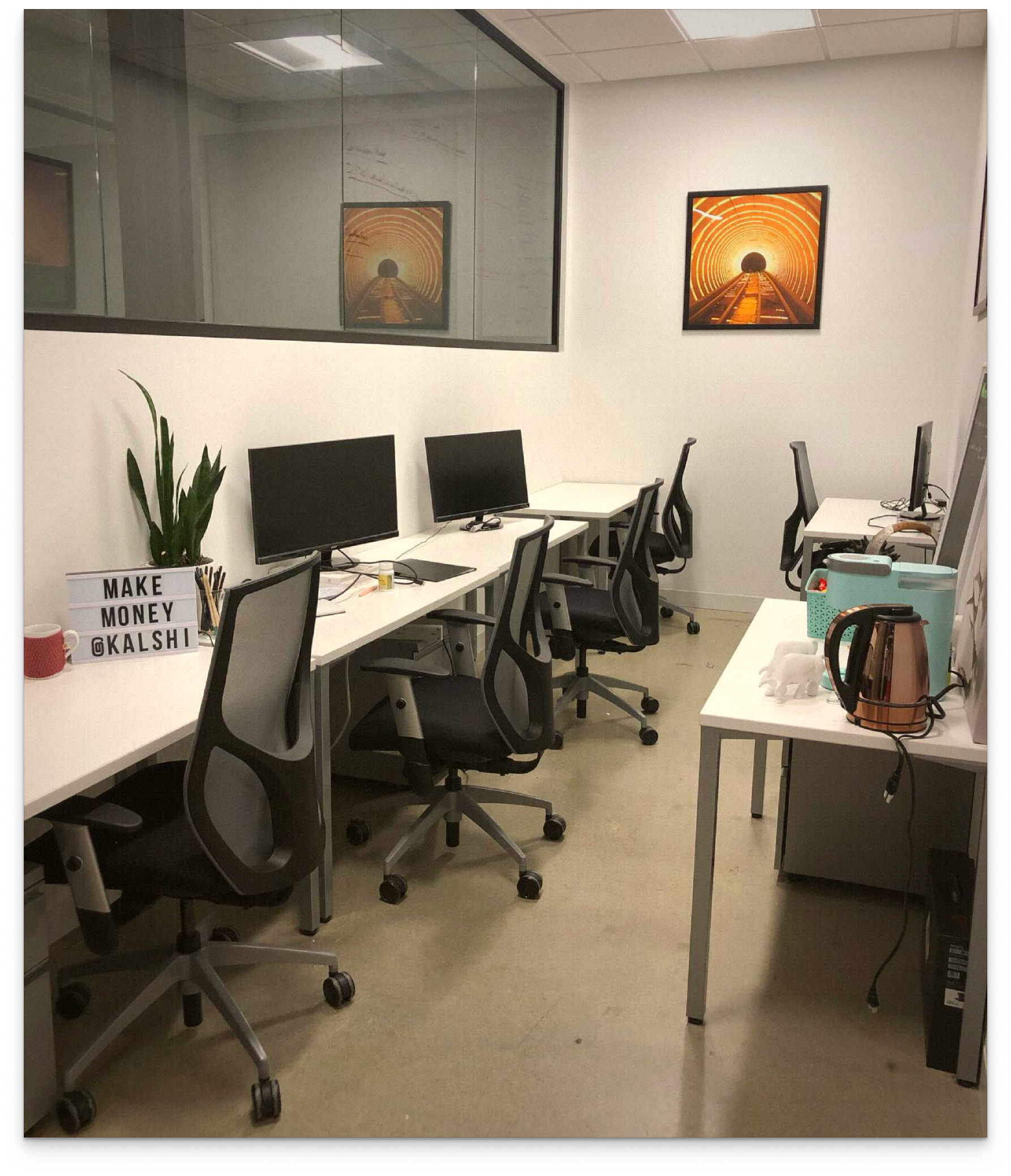
The two-year crossing of the regulatory desert got more monotonous still. Luana stripped her days of every choice that didn’t matter. She wore the same thing every day: two pairs of Levi’s, a company t-shirt, one of three sweaters. Her favorite was her father’s, bought in some Brazilian shop when he was young. She ordered from the same few restaurants, most often rice, beans and steak.
After two years of that, on November 3, 2020, KalshiEX LLC became the first federally regulated exchange for event contracts in American history. The vote was unanimous and bipartisan, taken in the middle of COVID. The founders printed that date on a trucker hat.
To Luana and Tarek, and to anyone in startup land watching them do it, those two years had felt like a lifetime. The CFTC veterans Bandman spoke to afterwards had the opposite reaction entirely. They were amazed anyone had pushed this through that quickly. Two years, in their world, is practically a rush job.
2.
It is worth asking what kind of person is actually built for spending two years, and millions of dollars, on an email thread with a federal agency.
Well, Luana had been training for this battle since she was a little girl, and had become an expert in delayed gratification.
At eleven, at a festival in Joinville, she noticed the Bolshoi Ballet auditioning for its only school outside Russia and walked in. She passed on the first try, into a system that in one documented year took forty children from twenty-four hundred. Getting in turned out to be the easy part. The school runs eight years, on its Moscow curriculum with mostly Russian faculty, and on full scholarship. Of the original eighty children accepted on Luana’s year, only about ten graduated.

Her childhood reads like something a screenwriter would be told to tone down. She spent eight hours a day at the Bolshoi. Students weighed their food before rehearsal, down to a quarter of a strawberry. Teachers held a lit cigarette under her thigh while she raised one leg to her ear, to see how long she could hold it there without burning.
In parallel, she went to a technical school, harder in the sciences than the one most Bolshoi students attended, and found time to win gold at the 2013 Brazilian Astronomy Olympiad and bronze at the regional mathematics olympiad.
She has called those ballet years the most intense years of her life, more intense than MIT, more intense than Kalshi. She also says she loved every minute. Ask her what ballet gave her and she does not say discipline. “There’s nowhere to hide,” she says. “You need to be completely on, you need to give it your all, all the time.” Ballet is a sport and an art form that pushes the body toward the absolute: you execute the movement exactly, and you smile through the pain. Perhaps the Bolshoi set Luana’s bar, for herself and for her team.
“She has extremely high standards, and embodies ruthless execution and an expectation of excellence. It’s n equals one, but it’s made me more bullish on ballet.”
Matt Huang - Paradigm Capital

There is a delightful 2014 Brazilian TV segment of 17-year-old Luana walking through this schedule. The double life sounds brutal on paper; but on camera, behind her ballerina physique, her ease, and a smile running under every sentence, she makes it look light. She claims that she didn’t live the life of an isolated prodigy that her resume implies, and that she was fully able to enjoy parties on weekends and long stretches of playing The Sims. Luana insists all of it, ballet included, was pleasure and never obligation.
Some details of her childhood do however hint that Luana was likely going to be up to something larger-than-life. As a little girl, she kept a list beside her bed. She added a name to it every time she heard about someone great at school. Alexander the Great. Winston Churchill. “I’d write their name and think, one day, maybe I’ll try to do something even remotely similar to what they did. I was a weird child in that way.”
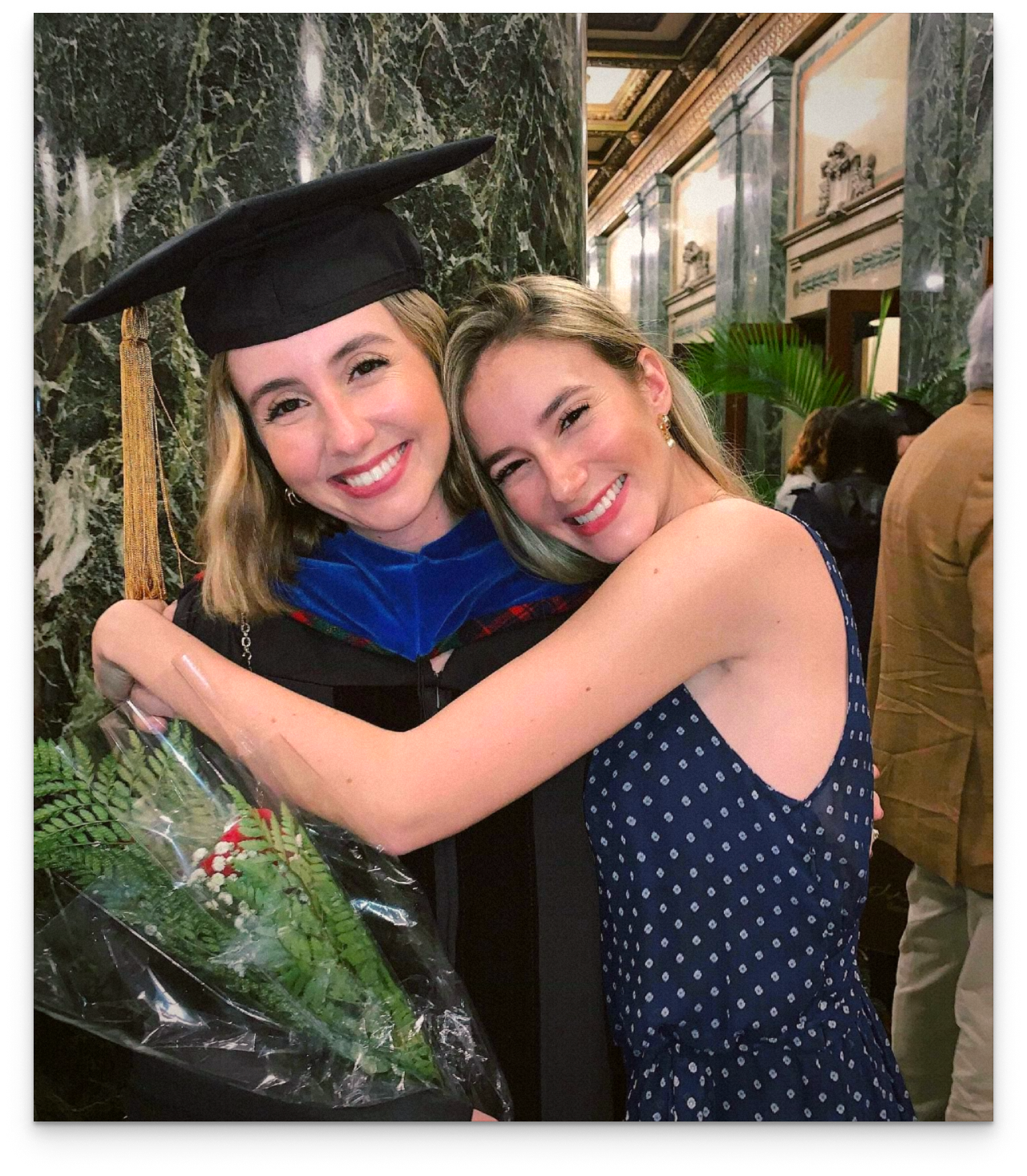
Nothing in her background explains the ambition. Hers was an ordinary (but very smart) middle-class Brazilian household. Catholic, Mass on Sundays, full of engineers: both of her parents had STEM backgrounds, and her older sister did a chemical engineering PhD at Carnegie Mellon. Luana still brags about her big sister in interviews, with her adorable admiration fully intact.
3.
Kalshi went live in July 2021 with about thirty markets. Inflation, COVID, the Oscars. Volume hovered near $1.5 million a month, which was fine but definitely not explosive.
Then Thomas Peterffy, the electronic-trading pioneer who built Interactive Brokers into a $50B business, made Luana and Tarek an offer for the company. Life-changing money, for a business with no users and no name. They turned it down. On the numbers at the time, the decision was insane. Tarek explained it in one sentence: “We didn’t build Kalshi to build a company. We built a company to build Kalshi.”

The market they wanted, the holy grail, was elections. Twice, in 2022 and 2023, Kalshi had formally asked the CFTC to let Americans trade on their own elections. Each attempt cost a year of the company’s life: filings, Washington meetings, and the payroll of a team working sixteen hours a day, six days a week. Both ended in an outright “no” and a collapse in morale. Layoffs followed. People walked, investors openly stopped believing in the strategy, and the board asked for a plan that didn’t involve elections.
Almost nobody inside the company was bearish. Not because the odds looked good (they were terrible) but because it never occurred to anyone that Luana and Tarek would stop. The question was never whether approval would come. It was when. Luana never once looked like she was considering quitting, which is why twenty-five people with Citadel-grade resumes stayed at a company with barely a product, barely any users, and two public failures in the rearview mirror.
By the summer of 2023, before the second rejection had even landed, Luana was already drafting the lawsuit. The tiny startup Kalshi would sue the Commodity Futures Trading Commission: the federal agency that grants, and can revoke, Kalshi’s license to exist.
The “adults in the room” were unanimous: it was a bad call. Alfred Lin told them what everyone told them: you are a tiny startup, the government can pull your clearinghouse out from under you, bury you in audits, and kill you before the ruling ever arrives. Ali Partovi’s summary is shorter. “All of the other investors in the company said that that would be a terrible idea.” The founders went ahead anyway. They buried the decision in the last paragraph of the last page of a board memo, as though it were housekeeping.
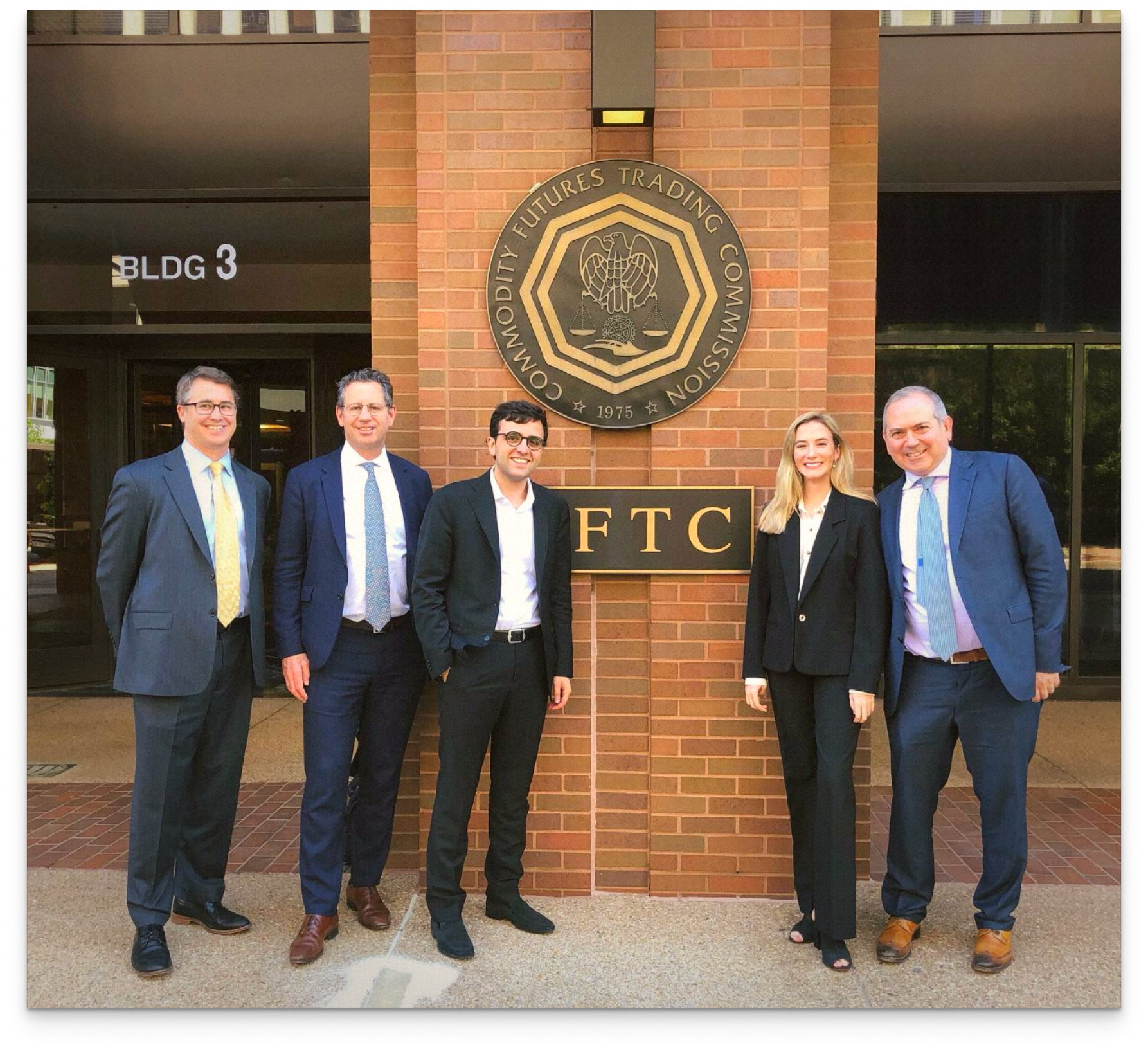
The night before Kalshi sued the United States government, in his mostly empty office in SoHo, Tarek got cold feet. He rehearsed all the ways his company was about to die. Tarek is good at this. Cataloguing catastrophe is roughly his job, and it is the thing that covers Luana’s blind side caused by her extreme optimism. So that night, Tarek proposed the reasonable thing. Maybe the company shouldn’t sue. Maybe they should step away from elections and go build financial products. “We don’t need to really bet the farm on this.”
Luana wouldn’t budge.
“If it were up to me and Alfred, we probably wouldn’t have sued, to be honest. She’s the one who wanted to sue.”
Tarek Mansour, CEO of Kalshi
Her reaction was not just about nerve. In April 2022, two and a half years earlier, an interviewer asked her what she had learned about investing. She was twenty-five, the company had no traction, and she gave what sounds now like a prepared defense of a decision she had not yet made. “The bets that seem ridiculous at first, that seem like there’s no way it’s going to work, are usually the ones that achieve the large outlier results.”
Her philosophy isn’t about bets with good odds. It’s about bets where being right pays out vastly more than being wrong costs. Spend two years on a license nobody has been granted in forty years: lose, and you have wasted two years of your twenties; win, and you own the only legal door into the category. Sue your regulator: lose, and you were dying anyway on $1.5 million a month; win, and Americans trade their own elections for the first time in a century, with you as the only venue. It’s called an asymmetric bet.
The agency’s retaliation came as predicted. Audits that normally take ten days stretched to nine months. Tarek called it “death by a thousand paper cuts.” And then they waited. Nine months of it, with the clock running on the one election the whole company had been built to trade. On September 12, 2024, Judge Jia M. Cobb of the District Court for the District of Columbia ruled in Kalshi’s favor.
The team barely had time to celebrate. They had the right to run an election market, and the presidential election was … 22 days away. Kalshi went on the sprint of a lifetime. Tarek stopped leaving the building and showered roughly every fourth day.
They made it work.
Two million customers arrived in a fortnight, carrying $2 billion in trades onto rails built for one thousandth of that. On election night, with the polls still calling it a coin flip, Kalshi’s market went to Trump and stayed there. CNN read the odds on air.
4.
Kalshi has a company value: “Climb the steeper mountain”.
Luana and Tarek are nowhere near the top of theirs. The company they described to each other in 2018 was not a betting app. It was an exchange where every question about the future carries a price: what inflation will be, what compute will cost next quarter, who will win an election. A market that tells you what is likely to happen, continuously, in public, because people have money on it.
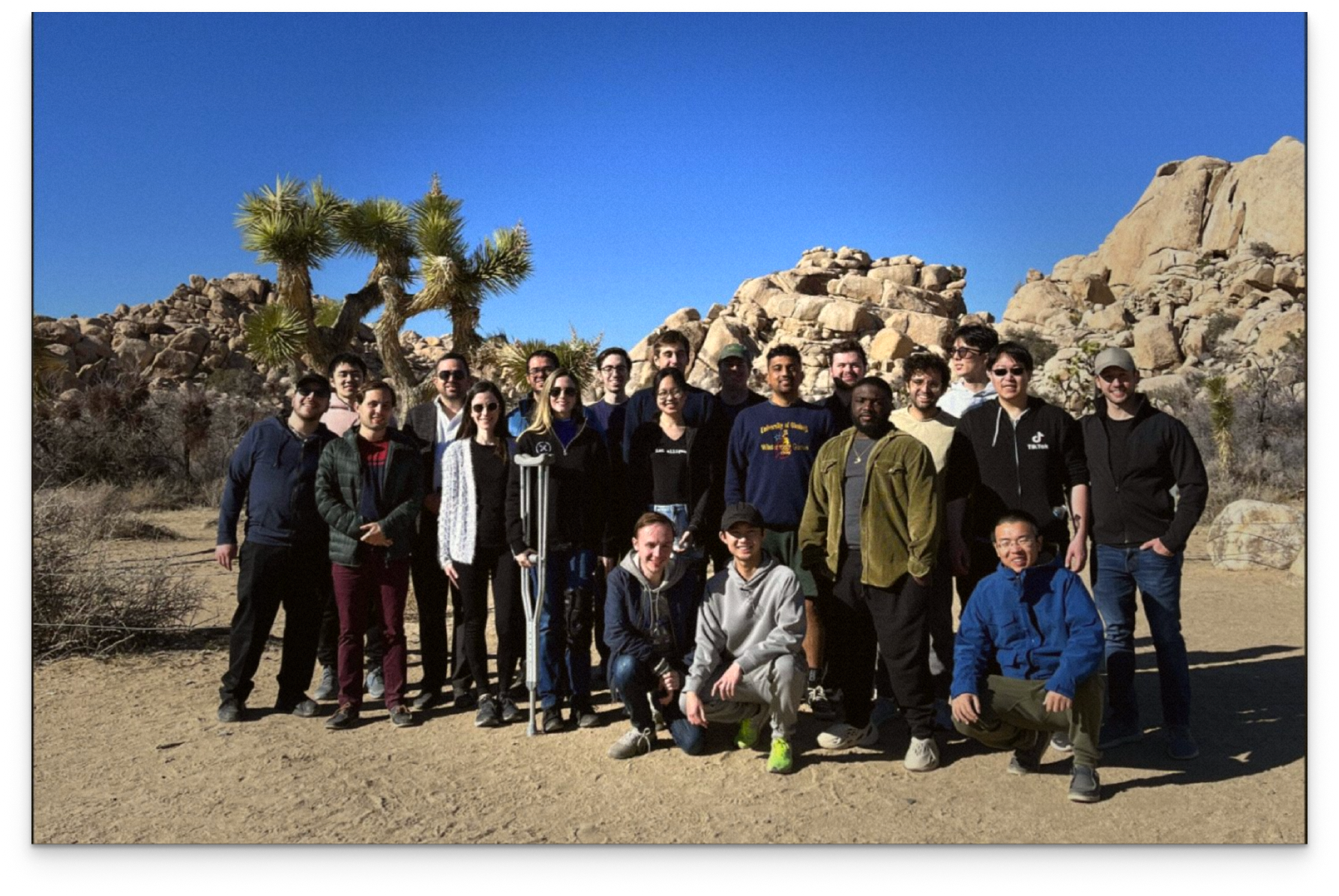
Yet, so far in 2026, more than eighty percent of Kalshi’s volume comes from sports.
Dan Schwarz, who designed Google’s internal prediction market, puts the bear case in one line: “It’s really a sports gambling site with a thin layer of prediction market on top.”
This is not a stupid thing to say. Kalshi pays no state gaming taxes, operates in California and Texas where sportsbooks are illegal, and takes accounts from eighteen-year-olds in a country that mostly caps betting at twenty-one. It self-certified sports on January 22, 2025. Three days earlier a new administration had taken office, with Caroline Pham as acting chair. Pham had abstained from the 2023 vote that rejected them and was known to be friendly to prediction markets. The ninety-day review window passed without incident. Kalshi is now in litigation with more than ten states, holds cease-and-desist orders from at least eleven, and is defending suits from eight tribal nations and a stack of consumer class actions consolidated in Manhattan. Eight bills before Congress would undo the 2024 ruling. None has passed a chamber. Bloomberg’s read is that this ends up at the Supreme Court within two years, with nine justices asked to define gambling.
Luana’s answer to all of this is not a denial. “Regardless of whether people like that some people bet or dislike that some people bet, people bet.” What she disputes is the model, not the demand. A sportsbook’s revenue is its customers’ losses, which is why it bans winners and sends bonuses to losers. An exchange takes a fee from both sides, which is why she wants the sharpest traders on her book.
Sports is what pays for the building. What is being built inside it is a derivatives exchange with an unusually generous definition of what can be traded. The evidence for that is in who has started showing up on Kalshi. Institutional volume, meaning hedge funds and trading firms rather than people on their phones, is up eightfold in six months. Kalshi has also started running block trades: single large orders negotiated privately between two institutions and then printed to the exchange, rather than worked through the public order book. Block trades are unglamorous and they are the thing serious markets run on. Nobody builds that machinery for a sportsbook.
Which changes the comparison. Not DraftKings at $12 billion. CME at $100 billion, ICE at $90 billion: the two exchanges that clear America’s futures and equities, each of which took the better part of a century to get there. Matt Huang’s version of the bull case is larger still: “Prediction markets are a superset of every other market. Maybe even bigger. I truly think they are uncapped.”
When Luana and Tarek talk about the future of Kalshi, they talk in decades.
Luana’s half of that is everything internal: product, engineering, design, operations. Thirty of Kalshi’s 170 people do not report directly to a founder, an org chart most management theorists would classify as a war crime.
“If you ask Luana what 80 or 85 percent of the people at the company are doing today, she knows. She has probably checked in with them on Slack within the last 48 hours.”
Tarek Mansour, CEO of Kalshi
It somehow works.
Start with product, which is Luana’s territory. In five months of 2026, the team shipped seven launches: Kalshi Klear, its own clearinghouse, so it no longer needs anyone else to settle its trades. Contracts on GPU rental prices, so you can hedge the cost of compute. A commodities hub: oil, gold, lithium. KPOW, a live price on American political power. The first US-regulated crypto perpetuals, which are the most heavily traded instrument in crypto and had never legally existed here. Finally, Kalshi Pro, a Bloomberg terminal for the people trading the most size.
Seven launches in five months, from a company that spent its first two years shipping nothing at all. Note that not a single one is a sports product.
Kalshi’s mobile squad is five people. In a single quarter they shipped 42 releases, including the first perpetual futures in the United States, and put the app at the top of the App Store for most of a month. And then, at night, they rewrote the entire thing. Four thousand commits and a million lines later: peak CPU usage from 369 percent down to 15. Install size from 315MB to 95MB, against Robinhood at 834MB. External dependencies from 94 to 11 and test coverage from 17 percent to 100.

Marketing is Tarek’s department, and the numbers are just as silly. In July 2026, EDO, the firm that scores TV advertising by measurable consumer engagement, ranked all 1,200 ads that ran during the FIFA World Cup. Kalshi’s “Dentist,” an absurd thirty seconds of Timothée Chalamet in which essentially nothing happens, finished first. A derivatives exchange with fifteen people in marketing beat Nike, Adidas, Toyota, Meta and Verizon at the largest sporting event on earth. Fifteen is less than one percent of Nike’s marketing team.

Both founders hire for the full spectrum of a job. Someone on the marketing team should be able to buy the ad, think about the ROI, write the copy and shape the storyline. They have deep respect for people who do the work with their own hands, down to the details, and get excellent at it. Luana is world-class at this herself. She moves between levels of abstraction without friction: from the product details, down to the copy, or the color and design of a button, all the way up to understanding how the market is structured and will change, whether it makes sense to partner or build a tech in-house.
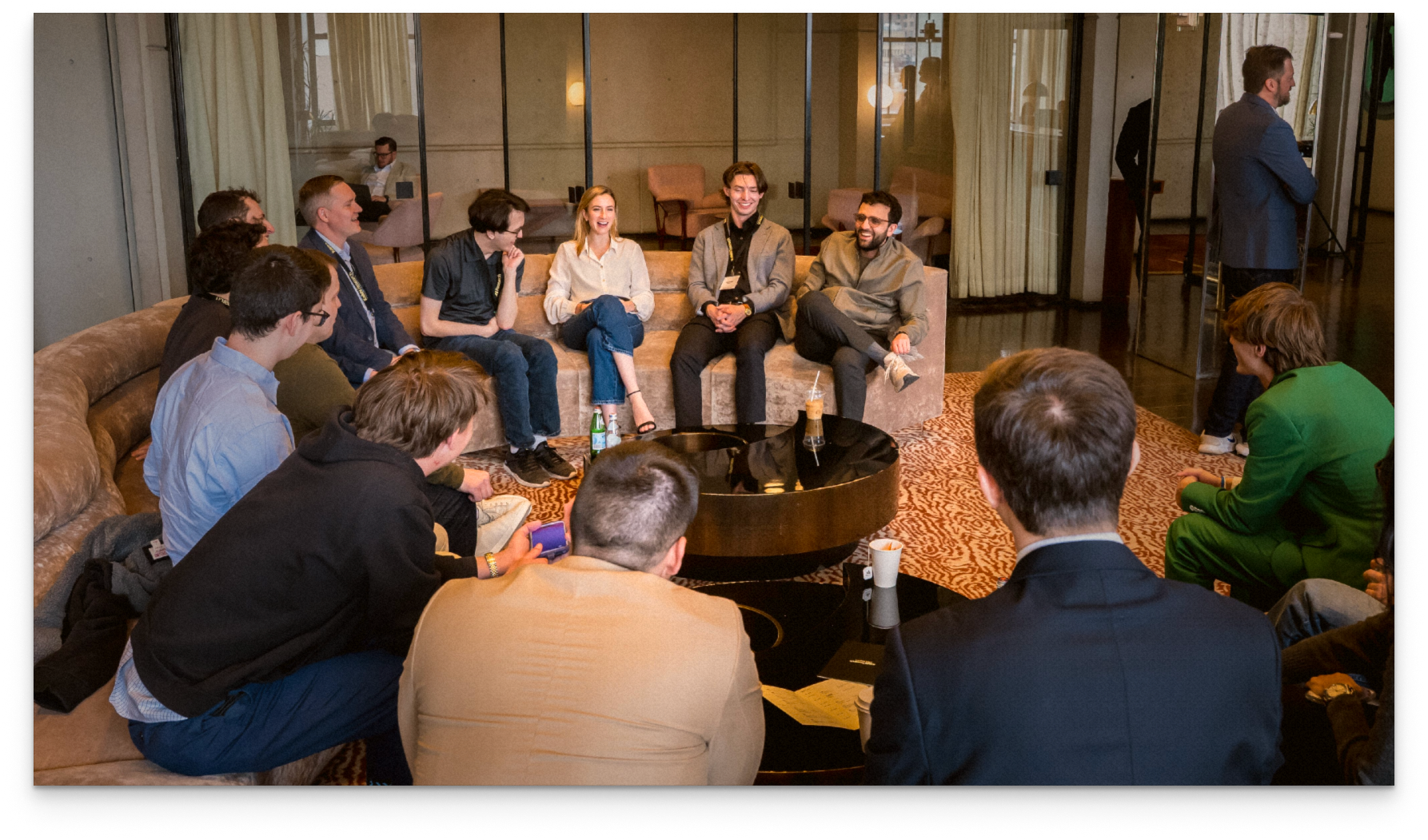
Ask people who work at Kalshi what it’s like and the answers converge on “Low-ego, high agency, shipping-first.” “One of the highest talent density teams I have ever been around.” “People here care A LOT. Everyone pushes HARD. People regularly choose the harder path if they think it leads to a better outcome long term.”
The most endearing thing about Luana is that she appears not to have noticed she has won anything at all.
A company holding the only license in its category still behaves like it is losing. She still works and talks like an underdog, at $22 billion+ valuation, with 95 percent market share, from inside a moat she spent four years digging by hand.
5.
Ask Tarek, who has sat next to her for eight years and thinks about downside risk for a living, what actually drives her, and he cannot tell you either.
“Luana is very faith-based” Tarek says. “Sometimes I would say super irrationally optimistic. She sometimes doesn’t really do the math on how something is gonna work out, on why it’s gonna work out. And that’s continuously happened at Kalshi. And I mean, for years it frustrated me. I was like, this really doesn’t make any sense.”
And then, having thought about it a while longer: “Luana’s approach to things, I now believe that given enough time horizon, it’s gonna end up being true no matter how irrational it sounds. It’s kind of amazing.”

Every morning, before any of it, Luana gets out of bed right foot first. It is a Brazilian thing. Start on the right foot and the day goes well.
So far, it has, roughly.